Mobile Accessibility Meets Regulatory Oversight in Sweden's Casino Ecosystem
Xander Roth · Aug 21, 2026
Mobile Accessibility Meets Regulatory Oversight in Sweden's Casino Ecosystem
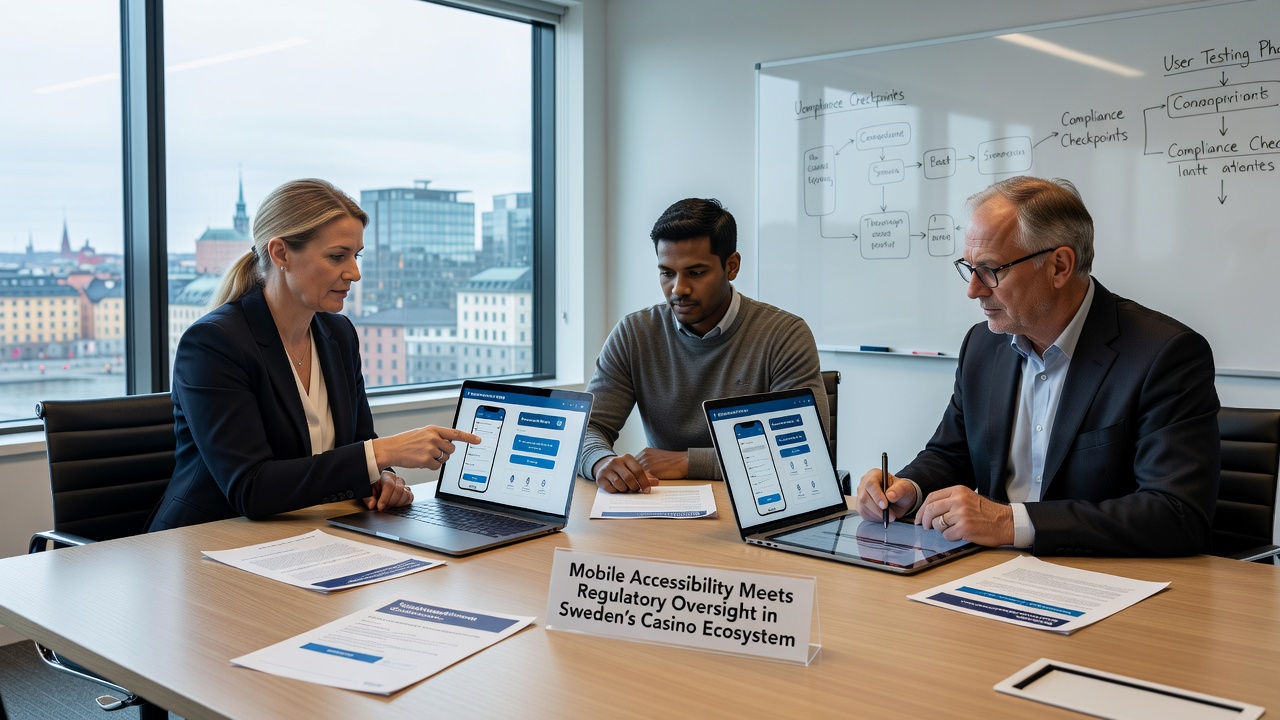
Sweden's casino ecosystem operates under a licensing model established in 2019 that requires all operators to secure approval from Spelinspektionen before offering games to residents, and mobile accessibility has emerged as a key area where these rules intersect with technology standards. Operators must ensure their platforms function seamlessly on smartphones and tablets while meeting requirements for player verification, transaction security, and responsible gambling tools, which creates a framework where technical compliance and regulatory adherence develop together.
Regulatory Framework Governing Mobile Platforms
Spelinspektionen enforces rules that apply equally to desktop and mobile channels, yet the mobile environment introduces specific challenges around geolocation checks, session monitoring, and age verification that operators address through integrated software solutions. Data from licensing records shows that by August 2026 hundreds of mobile-optimized sites and applications hold active permits, each subject to ongoing audits that examine how games load, how deposits process, and how self-exclusion features activate across different operating systems. These audits reference technical guidelines that align with broader European accessibility directives, requiring operators to maintain readable interfaces and functional controls even on smaller screens.
Technical Accessibility Requirements in Practice
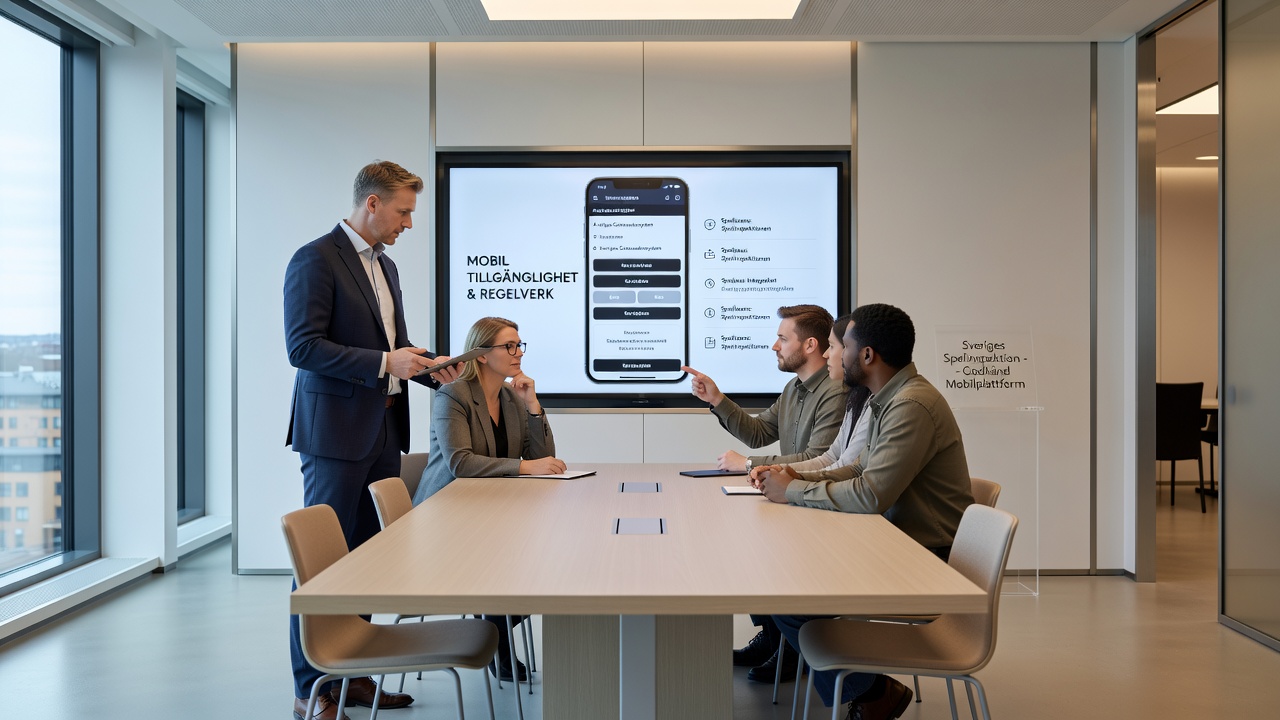
Mobile accessibility in this context encompasses both device compatibility and adherence to standards that prevent exclusion of users with varying technical setups or network conditions. Operators implement responsive design elements that adjust button sizes, font scaling, and navigation menus automatically, while regulatory inspectors verify that these adjustments do not compromise security protocols or game fairness algorithms. Studies conducted by independent testing laboratories indicate that platforms passing Spelinspektionen reviews typically support multiple screen resolutions and operating system versions released within the previous three years, which ensures consistent performance for the majority of Swedish smartphone users.
Payment processing on mobile devices must route through licensed financial partners that maintain encryption standards matching those required for all channels, and transaction logs remain available for regulatory review at any time. This setup allows authorities to trace activity from initial login through game rounds to withdrawal requests without gaps introduced by device-specific interfaces.
Integration of Oversight Mechanisms with Mobile Technology
Real-time reporting systems transmit data from mobile applications directly to Spelinspektionen servers, enabling continuous monitoring of play patterns that might indicate risk behaviors regardless of whether a player uses a phone or a computer. Software developers incorporate mandatory pop-up reminders and deposit limit prompts that appear consistently across device types, and compliance teams document how these features perform under varying mobile network speeds. Observers note that updates to these systems often coincide with new device releases, requiring operators to test patches quickly to retain their licenses.
Geofencing technology verifies that mobile sessions originate within Swedish territory, and any attempt to access services from outside approved borders triggers automatic blocks that regulators can audit through server records. This technical layer works alongside traditional licensing conditions that prohibit marketing to underage audiences and require clear separation between gaming and other entertainment content on the same application.
Industry Data and Compliance Trends Through 2026
Reports compiled through mid-2026 show steady growth in mobile session volumes among licensed operators, with transaction volumes processed via smartphones accounting for the majority of activity in several product categories. Spelinspektionen statistics track these figures alongside compliance metrics that measure response times for self-exclusion requests and accuracy of identity checks performed on mobile devices. Industry associations in other jurisdictions, such as those represented by the Canadian Gaming Association, publish comparative analyses that Swedish operators reference when refining their own mobile compliance strategies.
Training programs for staff at licensed companies now include modules on mobile-specific regulatory updates, covering topics from screen reader compatibility to handling of push notification alerts that inform players about limit changes. These programs draw on findings from academic research papers that examine how interface design influences player decision-making under regulated conditions.
Conclusion
The convergence of mobile accessibility standards and regulatory oversight in Sweden continues to shape operational practices for licensed casino providers, with Spelinspektionen maintaining detailed requirements that address both technical performance and consumer protection across all devices. Ongoing audits, reporting obligations, and software updates ensure that platforms remain functional and compliant as new mobile technologies enter the market, creating a stable environment where operators and regulators address emerging issues through established channels rather than ad-hoc adjustments.